Strategic System Integration for Variant Analysis and Tournament Scheduling in Poker Circuits
Written by Ellis Krüger · Nov 19, 2026
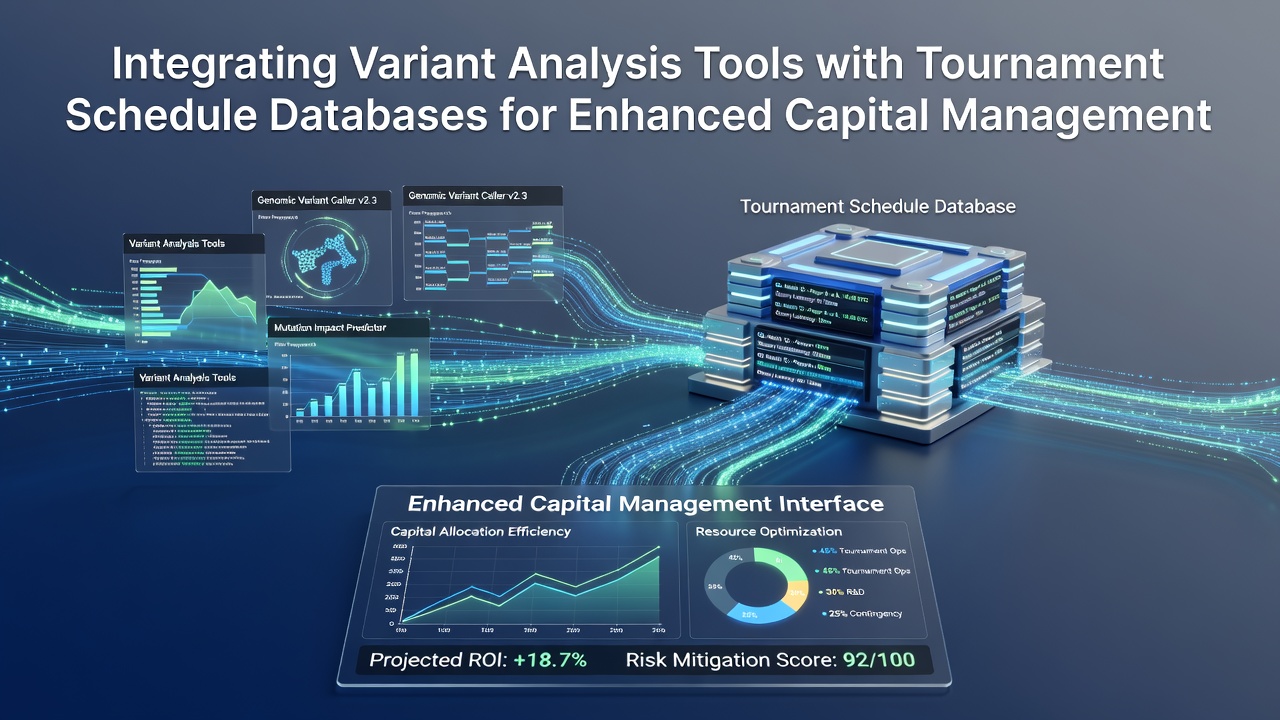
Strategic System Integration for Variant Analysis and Tournament Scheduling in Poker Circuits
Integration of variant analysis tools with tournament schedule databases allows operators and players to coordinate data across multiple poker formats, and this process supports more precise capital allocation during peak periods in 2026. Researchers at institutions such as the University of Nevada, Las Vegas have documented how synchronized platforms track transitions between Texas Hold'em, Omaha, and mixed-game events, while database entries update in real time to reflect entry deadlines and payout structures. Data from the Nevada Gaming Control Board shows that coordinated systems reduce scheduling conflicts by up to 18 percent in multi-format circuits when operators align variant-specific metrics with calendar feeds.
Core Components of Integrated Platforms
Variant analysis software processes hand histories, equity calculations, and player pool statistics, yet these outputs gain practical value only when linked directly to tournament schedule repositories that list start times, buy-in levels, and format rotations. Observers note that platforms combining these functions enable automatic alerts when a high-variance event overlaps with a low-stakes cash game series, and such alerts help participants adjust participation plans without manual cross-referencing. One case involved a mid-sized European operator that merged its internal database with third-party analysis engines, resulting in streamlined capital distribution across 42 events during the 2025-2026 season.
Database Synchronization Techniques
Technical teams employ API connections and scheduled data pulls to keep tournament calendars current with variant-specific parameters such as blind structures and average stack depths. These connections allow capital management modules to forecast required reserves based on upcoming field sizes and payout percentages, while real-time feeds from regulatory filings ensure compliance across jurisdictions. Figures from the Casino Regulatory Authority of Singapore indicate that operators using synchronized databases reported a 12 percent improvement in reserve accuracy during high-volume months, and similar patterns appear in reports from Canadian provincial gaming commissions.
November 2026 schedules already list over 150 mixed-game tournaments across major circuits, and integration tools flag potential capital bottlenecks when variant shifts occur within short windows. For instance, a sequence moving from limit hold'em to pot-limit Omaha requires recalibration of risk models, and automated systems handle these adjustments by pulling updated schedule entries directly into analysis dashboards.

Capital Management Outcomes
Operators who adopt these integrated approaches record measurable gains in resource efficiency, according to industry reports compiled by the Poker Players Alliance. The systems track entry volumes against projected liquidity needs, and they trigger reallocation prompts when variant analysis indicates elevated variance in specific events. One documented implementation at a North American network demonstrated that automated matching of schedule data with variant metrics cut unplanned reserve shortfalls by nearly one-quarter during the spring circuit.
Academic studies from the University of Sydney's gambling research unit further confirm that precise timing of variant transitions correlates with steadier capital flows when databases update continuously rather than at fixed intervals. Participants using these tools receive notifications about format changes days in advance, allowing them to adjust bankroll segments allocated to each segment of the schedule.
Implementation Considerations Across Regions
Different regulatory environments impose varying requirements on data handling, and integrated platforms must accommodate these differences through modular compliance layers. In Australia, for example, the Australian Communications and Media Authority oversees reporting standards that favor timestamped schedule logs, while European frameworks emphasize player protection metrics that variant tools can quantify. Teams building these systems often start with core schedule feeds before layering variant analysis modules, which reduces integration errors during initial deployment.
Case examples from operators in multiple time zones illustrate the pattern: platforms that refresh tournament data every fifteen minutes maintain higher alignment between projected and actual capital requirements. This frequency proves especially useful when November 2026 events cluster around holiday periods, because rapid schedule updates prevent overcommitment in overlapping formats.
Conclusion
Integration of variant analysis tools with tournament schedule databases continues to evolve as operators refine data pipelines and expand coverage to additional poker formats. Evidence from regulatory filings and academic reviews demonstrates consistent improvements in capital forecasting accuracy when these systems operate in tandem, and the approach shows particular strength during periods of dense event scheduling such as late 2026. Continued development in API standards and compliance modules is expected to support broader adoption across global networks.